

network extraction in brașov
The extraction network in Brașov has been characterized by Dominic Fritz as a complicated system of relationships and influences, primarily aimed at extracting resources and economic benefits for a narrow group of individuals. This network comprises a mix of political and economic interests that converge to maintain a status quo favorable to its members, often at the expense of public interests and the equitable development of the local community.
The structure of this network is marked by close ties between local political leaders, business people, and various economic entities that collaborate to control and distribute the financial and economic resources of the county. This mechanism allows a small number of individuals to disproportionately benefit from development projects and public funds, thereby marginalizing other initiatives that could bring broader benefits to the community.
The network often operates through selectively awarded public contracts, infrastructure projects that are not always prioritized according to community needs, and the influence exerted over administrative decisions. These practices contribute to the perpetuation of a climate of inequity and lack of transparency, which negatively affects the sustainable development of the area.
Dominic Fritz emphasized that to combat the negative effects of this extraction network, a fundamental change in the management of public resources is necessary, ensuring increased transparency and greater community involvement in the decision-making process. Only in this way can an equitable distribution of resources and a harmonious development of Brașov County be ensured.
adrian veștea’s role
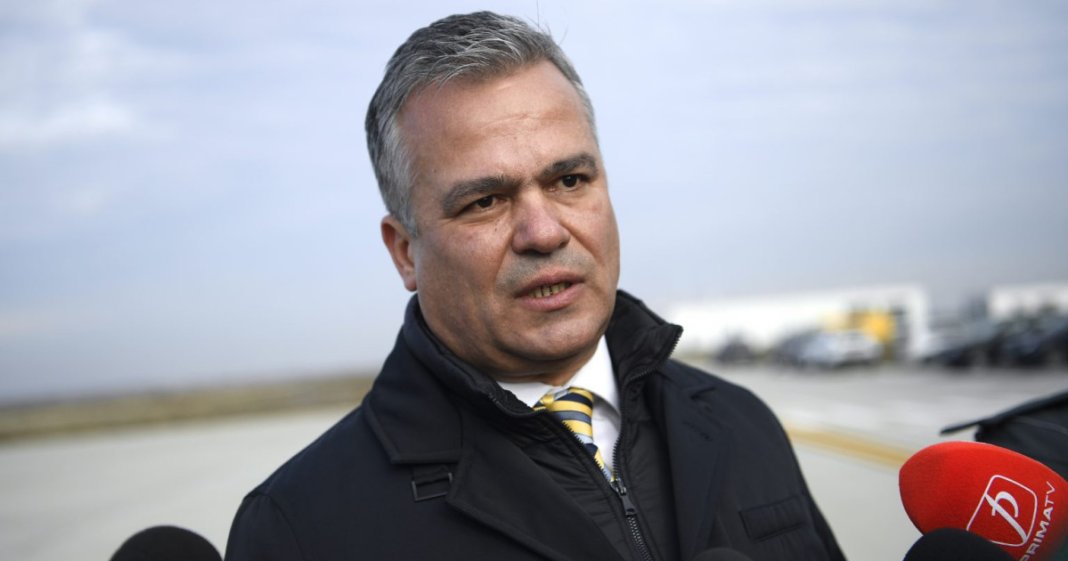
Adrian Veștea plays a central role in the functioning of this extraction network, being viewed as one of the primary architects of the system. As an influential political leader, Veștea has managed to create a network of loyal allies who support his initiatives and facilitate access to the resources necessary to maintain control over the county’s economic and political structures.
Through the positions he has held over time and his connections, Adrian Veștea has been able to influence decision-making processes and ensure the awarding of public contracts to favored firms, thereby consolidating the position of his network. This influence manifests not only in the economic sphere but also in the political realm, where Veștea has demonstrated a remarkable ability to navigate through diverse interests and maintain his position of power.
Critics argue that his role is essential for the perpetuation of the status quo, as he represents a convergence point for the interests of multiple parties involved in the network. This position allows him to control not only financial resources but also to shape the local political agenda in the direction desired by him and his allies. In this context, Veștea is seen as a symbol of centralized power and how it can be used to serve the interests of a small group at the expense of the community.
In conclusion, Adrian Veștea’s role in the extraction network in Brașov is one of leader and orchestrator, capable of intertwining the diverse interests of the network in a way that ensures control and maintains influence over the county. This dynamic raises serious questions about the transparency and fairness of administrative and economic processes in the region.
dominic fritz’s statements
Dominic Fritz has made a series of statements highlighting the major issues generated by the extraction network in Brașov, underscoring the need for an urgent change in the management of public resources. He has openly criticized the functioning of this system, drawing attention to how private interests are prioritized over those of the community. According to Fritz, these practices not only undermine the sustainable economic development of the county but also erode citizens’ trust in public institutions.
Fritz pointed out that to counteract the negative influence of this network, it is essential to implement measures that enhance transparency and accountability in the management of public funds. He proposed a series of reforms aimed at ensuring greater community involvement in the decision-making process so that resources are distributed equitably and meet the real needs of Brașov residents.
In his statements, Fritz emphasized the need for a paradigm shift that would allow for more inclusive and participatory governance. He called on citizens to actively engage in political life and express their views to create the necessary pressure on local authorities to adopt more transparent and equitable policies. This involvement is seen as a key element in reconfiguring existing power relations and promoting an administration that truly serves the public interest.
Dominic Fritz reiterated that without concrete initiatives and political will, Brașov risks remaining trapped in a system that privileges only a small number of individuals, to the detriment of the overall development of the community. He called for support from political partners and civil society to initiate a genuine reform process.
impact on the local community
The impact on the local community of the extraction network in Brașov is felt on multiple levels, generating dissatisfaction and frustration among residents. Firstly, unequal development and inefficient allocation of resources have led to the stagnation of certain essential projects for the community’s well-being, such as road infrastructure, public services, and educational facilities. These deficiencies directly affect the quality of life of citizens and limit opportunities for local economic growth.
Additionally, the perception that administrative decisions are influenced by private interests undermines citizens’ trust in public institutions. This distrust translates into reduced community engagement in decision-making processes and a general apathy towards governmental initiatives. In the absence of real transparency and effective communication from the authorities, citizens often feel excluded from the development process of their city.
Moreover, the concentration of resources in the hands of a small group of individuals contributes to deepening economic and social inequalities. This situation fosters a climate of division and unfair competition, where small entrepreneurs and local initiatives are marginalized in favor of the interests of large economic players connected to the network. As a result, the community’s potential for innovation and sustainable development is seriously affected.
Despite these challenges, there is a sense of solidarity and desire for change among residents, who are trying to make their voices heard and promote a model of more inclusive and equitable development. Efforts for community organization and civic participation initiatives have started to gain traction.
Sursa articol / foto: https://news.google.com/home?hl=ro&gl=RO&ceid=RO%3Aro