

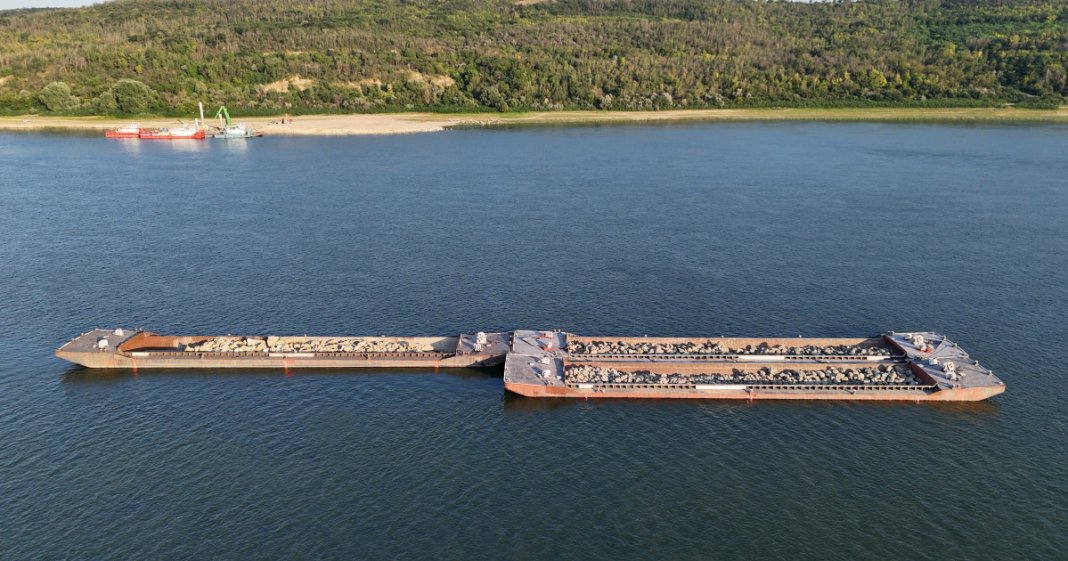
Influence of the Dune Formation
The formation of the dune on the Danube has had a considerable impact on navigability and economic activities in the area. This dune has altered the normal flow of the water, creating obstacles for commercial vessels transporting goods. Additionally, it has increased the risk of flooding in certain regions, as water buildup behind the dune can lead to elevated levels during periods of heavy rainfall. Local communities that rely on the Danube for fishing and irrigation have already felt the negative effects of these changes, necessitating adjustments in their daily activities.
Changes in Danube Flow
Changes in the Danube’s flow have been immediately evident following the formation of the dune, causing a series of disruptions in the river’s normal course. The water flow has considerably decreased in certain sections, leading to reduced water depth and, consequently, difficulties for large vessels navigating. In other areas, the flow unexpectedly increased, creating strong currents that impacted the stability of the banks and caused significant erosion. These changes prompted authorities to re-evaluate water resource management plans, necessitating urgent measures to prevent damage to the infrastructure along the Danube’s banks. Moreover, the changes in flow have also affected drinking water networks, which largely depend on the stability and purity of the Danube’s water, putting pressure on the region’s water treatment systems.
Consequences on the Ecosystem
The dramatic changes in the Danube’s flow have had profound effects on the local ecosystem, disrupting the delicate balance of flora and fauna that depend on this aquatic environment. Fish that migrate up and down the river to spawn have faced challenges crossing the new currents and obstacles created by the dune, affecting their reproductive cycles. Aquatic plant species, which develop according to the level and quality of water, have experienced shifts in their distribution, with some areas becoming oversaturated while others remained dry and devoid of necessary nutrients.
Furthermore, migratory birds that rely on the wetlands of the Danube for feeding and resting have had to alter their routes, potentially leading to long-term population declines. Mammal populations living along the riverbanks, such as otters, have encountered reduced habitats and limited food resources, forcing them to migrate or adapt to changed conditions.
These changes have a cascading effect on the entire ecosystem, causing an imbalance that could take years to rectify. The impact on biodiversity is not limited to aquatic species, as the interdependence between terrestrial and aquatic organisms is essential for the overall health of the surrounding environment. Such disruption of the Danube ecosystem underscores the need for prompt and effective interventions to protect and restore the natural balance of this critical region.
Proposed Management Measures
In response to the issues caused by the formation of the dune on the Danube, authorities and environmental experts have proposed a series of management measures to mitigate negative effects and restore balance in the area. The first measure involves carrying out controlled dredging operations to remove excess sediments and restore the natural watercourse. This intervention could enhance navigability and reduce the risk of flooding in the affected regions.
Additionally, the installation of water diversion structures is proposed to aid in the uniform redistribution of flow, thereby preventing bank erosion and protecting critical infrastructure along the river. Concurrently, natural engineering solutions, such as creating artificial wetlands to absorb excess water and provide alternative habitats for affected species, are being considered.
Another important aspect of the management plan is the continuous monitoring of water quality and biodiversity to quickly identify any changes and adapt intervention measures accordingly. Collaborating with local communities is essential, as they are involved in rehabilitation efforts and educating the public about the importance of conserving natural resources.
In the long term, the development of an integrated Danube basin management strategy is desired, which would include measures to prevent such situations in the future. This would entail cross-border cooperation among riparian countries, sharing best practices, and investing in sustainable technologies to ensure the protection and responsible use of the river’s resources.
Sursa articol / foto: https://news.google.com/home?hl=ro&gl=RO&ceid=RO%3Aro